The method behind it

Six techniques, and the recipes they unlock

Most cooking mistakes are one decision made in the wrong order. These are the six we come back to constantly — each one paired with a recipe that only works because of it.

How to read this

Work down the list once, then use it as a reference. If a recipe fails, it almost always fails at one of these six points — not at the shopping.

Updated with every new recipe · last revised September 2026

01

Sear, then keep your hand off it

The crust you are chasing needs a dry surface and a still pan.

Pat the protein with paper towels until it is genuinely dry, salt it ten minutes ahead, and preheat the pan until a drop of water skitters away. Lay the food in and press it once. If you can slide it without resistance, it is not ready to turn.

Practise it here: Roast Chicken with Grapes & Thyme →
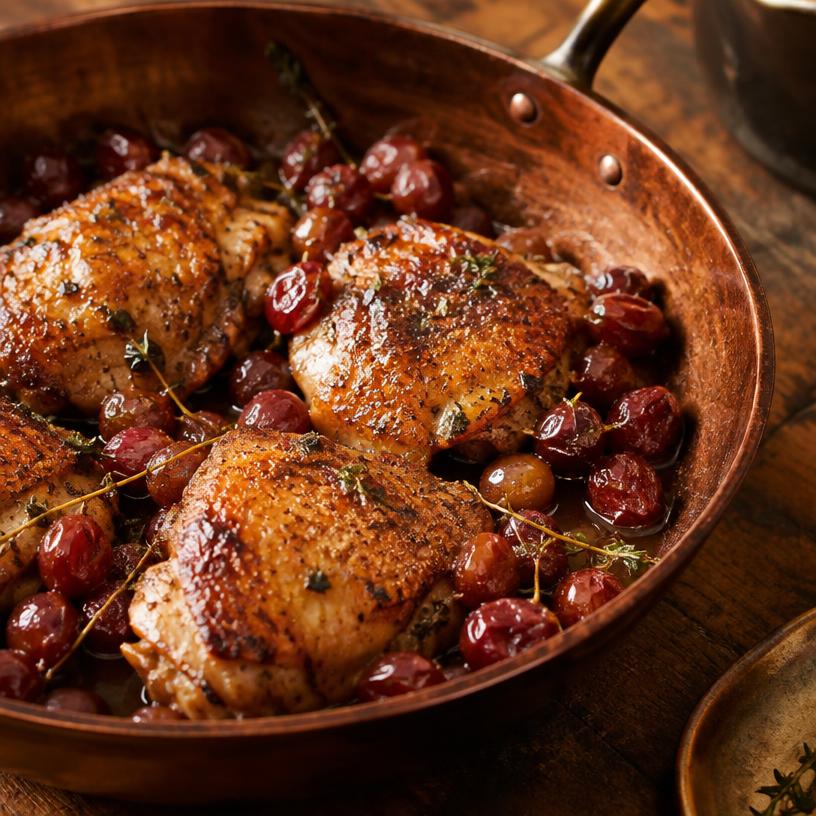
Roasted chicken thighs with blistered grapes and thyme in a copper pan
02

Emulsify off the heat

Butter, starch and agitation — that is the whole sauce.

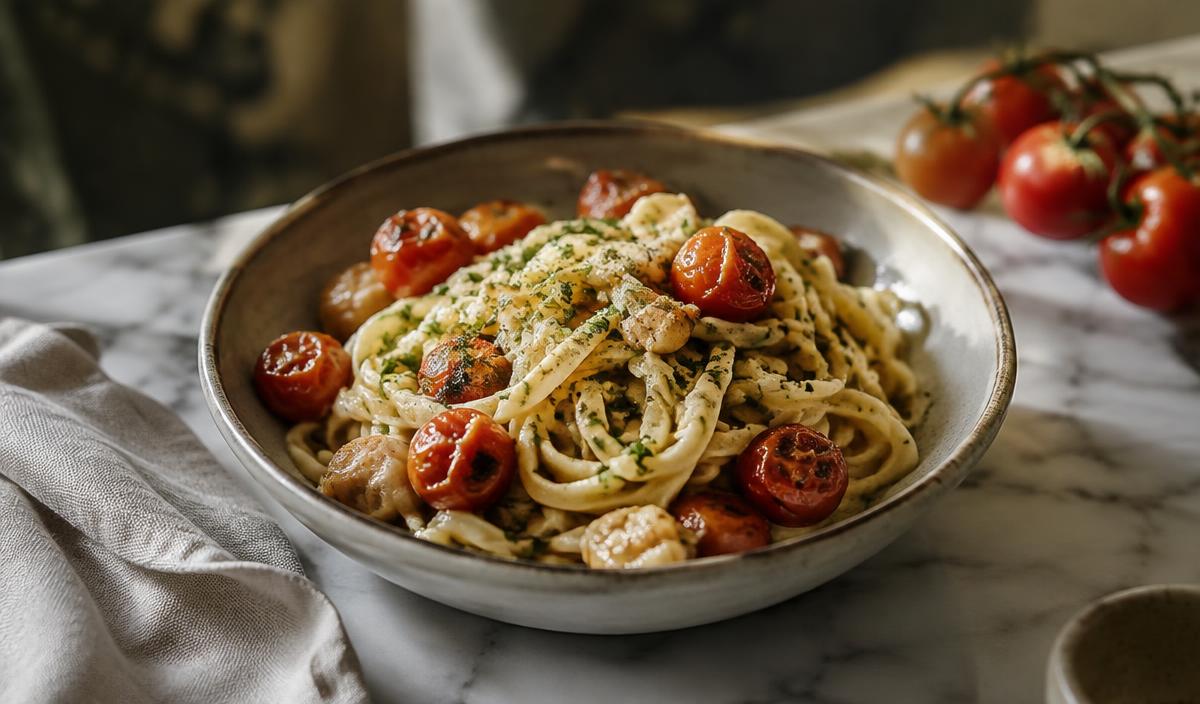
Fat and water will not hold hands on their own. Reserve pasta water before draining, take the pan off the burner so the butter does not split, and toss hard. Glossy is the sign. Greasy means it got too hot.

Practise it here: Garlic Butter Pasta with Blistered Tomatoes →
Steaming bowl of creamy garlic butter pasta with parsley and blistered tomatoes on a marble counter
03

Brown the butter properly

Watch for the smell, not the colour.

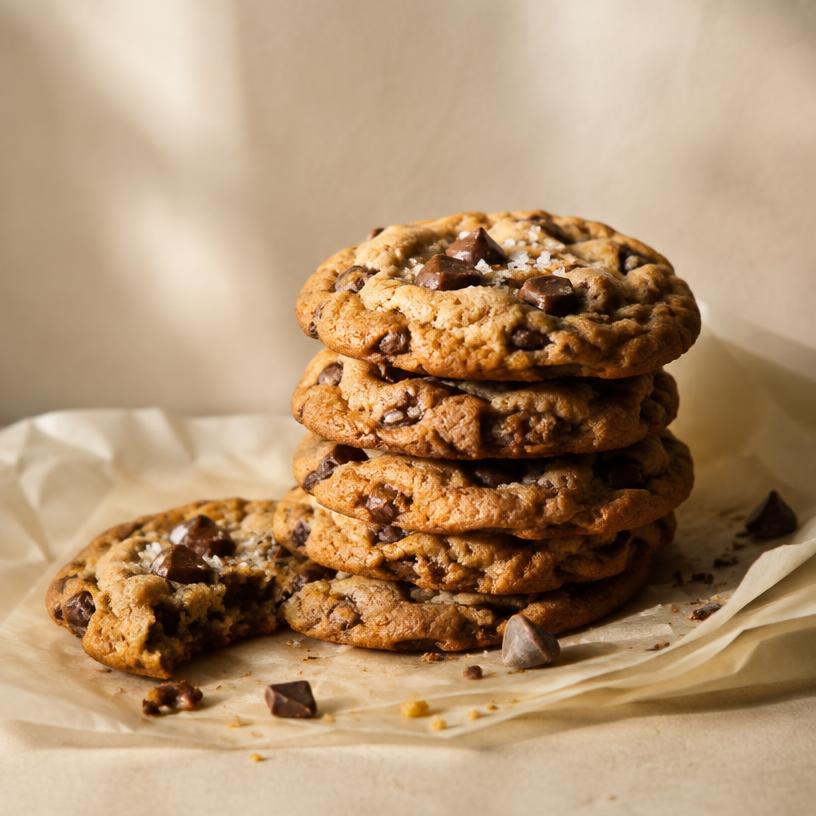
The foam collapses, the milk solids sink and turn russet, and the kitchen suddenly smells of hazelnuts. That scent is your timer. Pour it into a wide bowl immediately — the pan keeps cooking it — and cool fifteen minutes before the sugar goes near it.

Practise it here: Brown Butter Chocolate Chip Cookies →
Brown butter chocolate chip cookies stacked on parchment with flaky sea salt
04

Proof slow, bake hot

Time is an ingredient you can add for free.

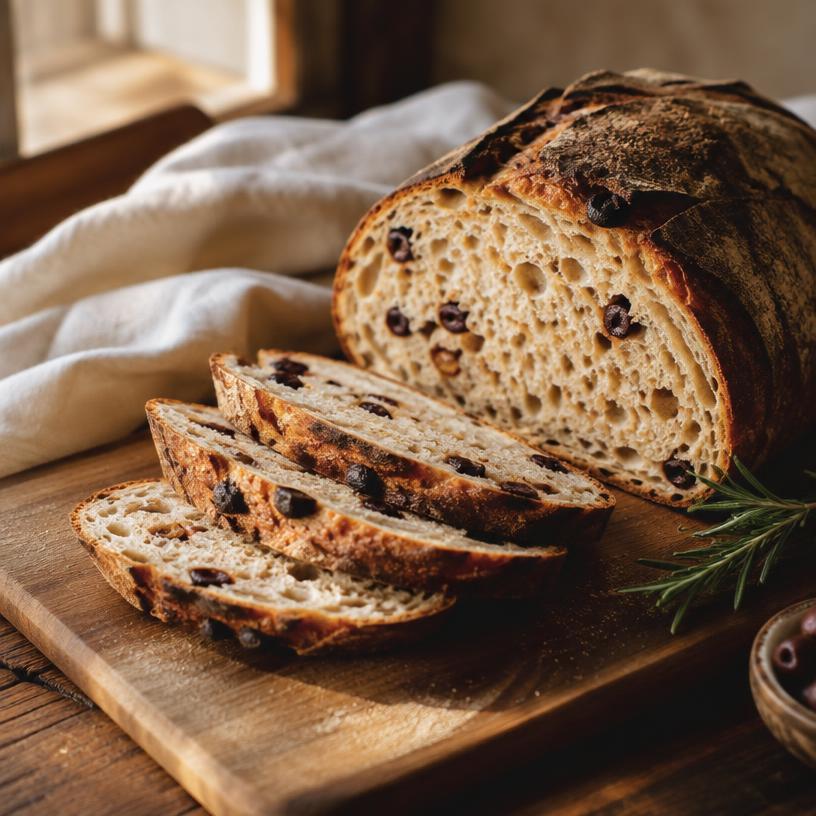
A long, cool rise builds the flavour a mixer has to fake and makes the dough handleable. Then get the pot properly hot with the lid on: the trapped steam keeps the crust soft long enough for the loaf to open fully before it sets.

Practise it here: No-Knead Olive & Rosemary Loaf →
Sliced sourdough loaf with dark crackly crust and olive pieces on a wooden board
05

Char is a promise, not a accident

Flat contact, high heat, and absolutely no stirring.

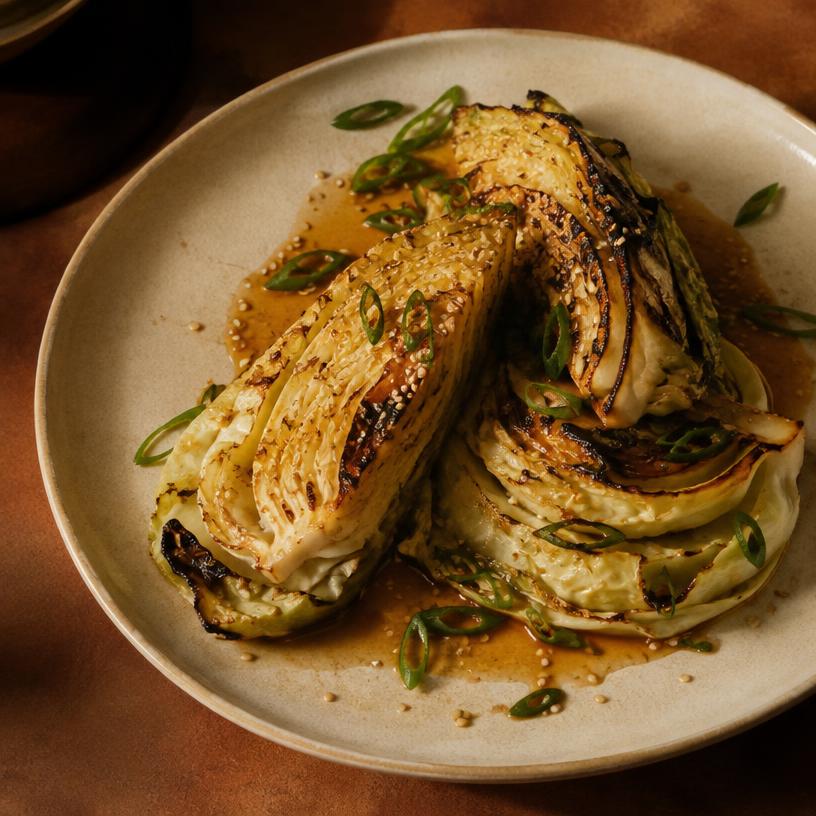
Cabbage, broccoli and leeks all want the same thing: a hot dry pan, a flat cut face pressed down, and six undisturbed minutes. The black edge is where the sugar concentrates — the bitterness people blame cabbage for is usually just steaming.

Practise it here: Charred Cabbage with Miso Butter →
Charred cabbage wedges with glossy miso butter, toasted sesame and scallions on a cream plate
06

Bloom the aromatics

Fat carries flavour; dry spice just sits on top.

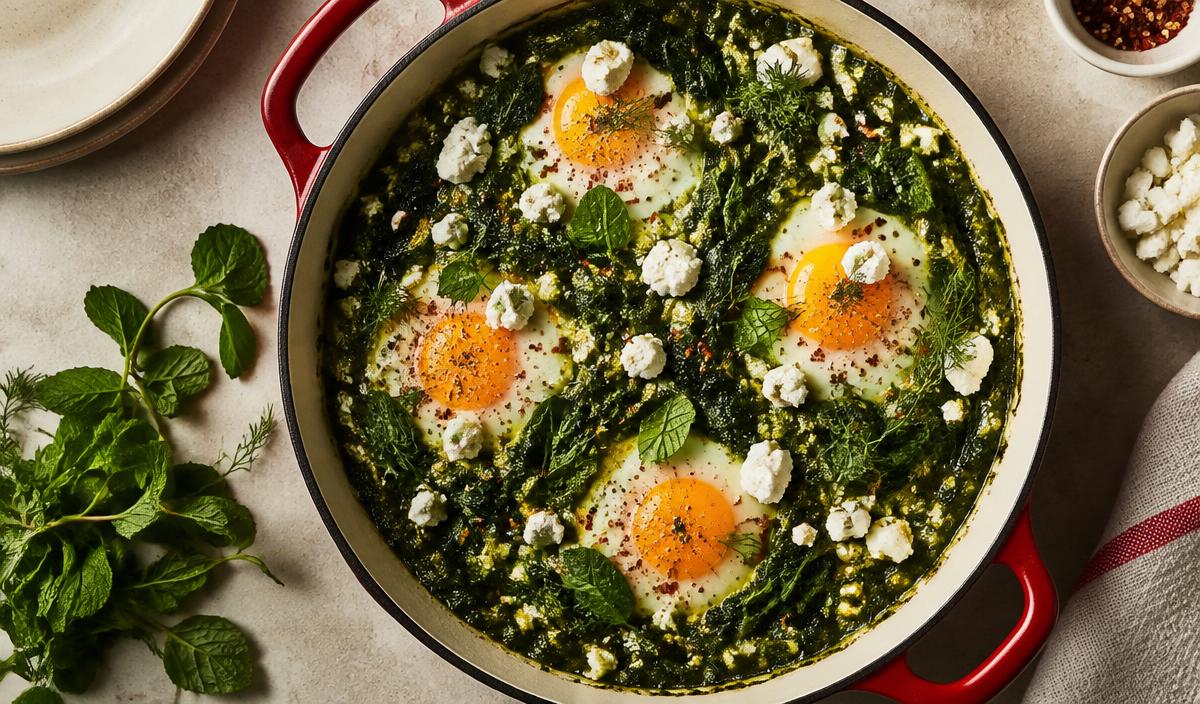
Garlic, cumin and chilli all taste twice as loud once they have cooked gently in oil or butter before any liquid arrives. Low and slow for garlic — pale gold, never brown — and only a minute for ground spices so they toast instead of burning.

Practise it here: Green Shakshuka with Herbs & Feta →
Overhead of a green shakshuka with poached eggs and feta in a red enamel skillet